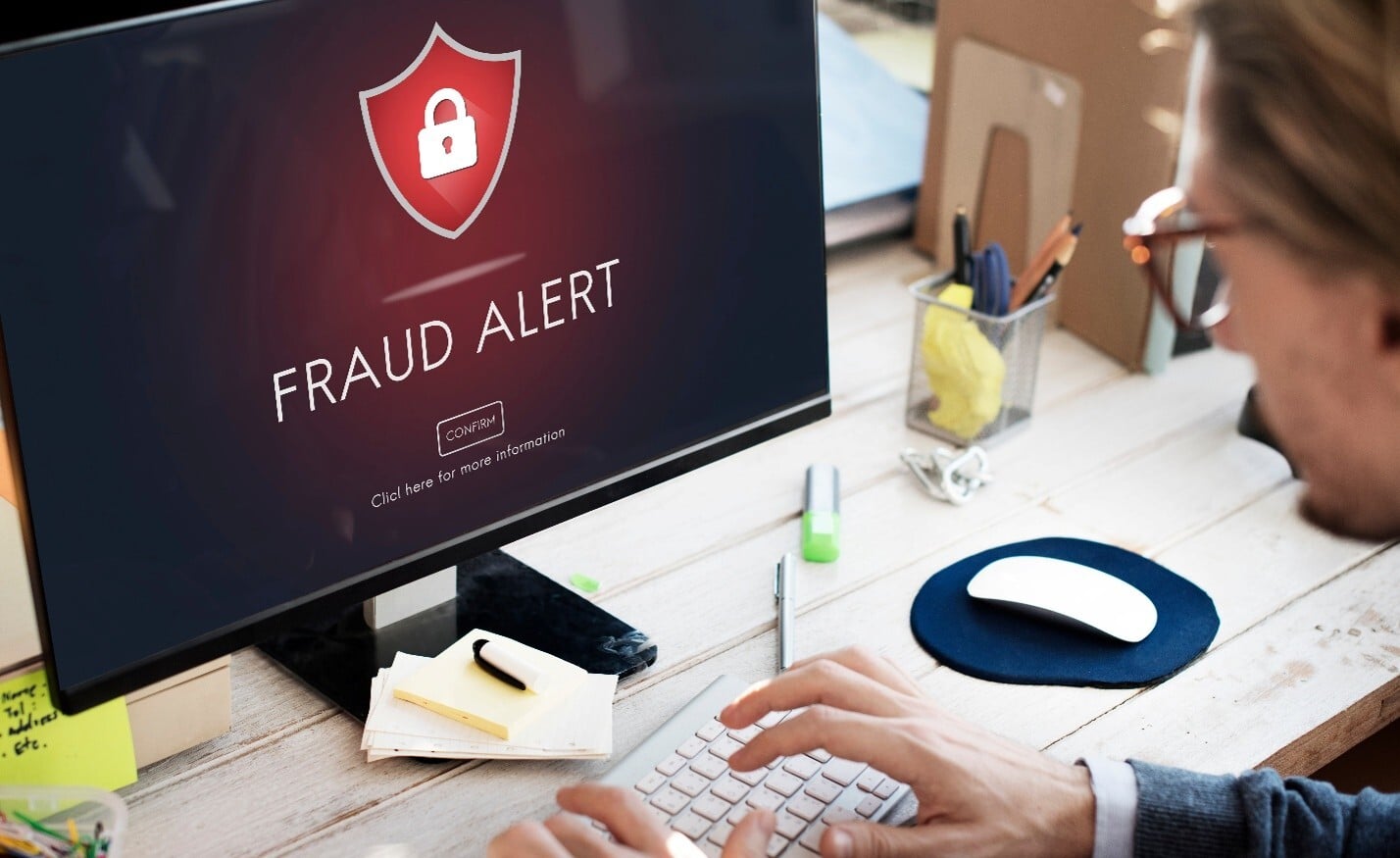
This week, Stearns Bank is proud to join financial institutions, businesses, and communities around the world in observing International Fraud Awareness Week, an annual initiative led by the Association of Certified Fraud Examiners (ACFE) to raise awareness about fraud and how to prevent it. Fraud impacts people of every age and background, and scammers are constantly improving their tactics. To combat this activity and empower our communities, we’ll be sharing practical tips and expert insight throughout the week on our social media channels.
As of March 2026, 11% of fraudulent schemes involve a synthetic identity. Synthetic identity theft, commonly known as “Frankenstein Fraud,” is a special form of fraud in which fraudsters blend real data, such as a stolen Social Security Number, with fabricated information, such as a fake name, date of birth, or mailing address. Fraudsters use this combination of stolen and fabricated data to apply for credit, knowing they’ll be denied at first. Over time, they build a credit footprint for this fraudulent identity, until they eventually find a lender who approves their application. Once approved, they establish a credit profile with fraudulent purchases. Then, they vanish, leaving the creditor with no recourse because the individual or business they created never existed.
While this type of fraud may feel difficult to guard against, there are clear warning signs to look for:
- Unexplained credit denials are a red flag for synthetic identity fraud. If you receive an unexpected notification that a financial institution has denied an application associated with your identity, contact the organization to report the fraudulent activity.
- Unexpected mail for children is another common sign of synthetic identity theft. Fraudsters often target children because of their clean credit. If your child receives unexpected pre-approved credit cards, collection letters, or IRS notices, contact the organization immediately to report the activity.
Monitor your credit reports for unfamiliar activity and contact your bank if you notice anything suspicious. The Federal Trade Commission also offers support with resolving identity theft. If you have experienced synthetic identity theft or any other form of identity theft, report it at IdentityTheft.gov.
Phishing, one of the most common forms of fraud, is a cyber-attack in which fraudsters impersonate a trusted contact to manipulate victims into sharing sensitive information or installing malware. Fraudsters pose as trusted sources—a colleague, your bank, or a government agency—and reach out via email, text message, or even social media apps. They rely on emotional manipulation, often creating a sense of urgency to pressure victims into sharing private data or clicking a link. These links can install malware on a victim’s device without their knowledge, giving fraudsters access to their private information. They can also lead to convincing fake websites, designed to capture any information you enter.
In Q1 2026 alone, Microsoft Threat Intelligence detected roughly 8.3 billion email-based phishing threats. Despite this alarming rate of fraudulent activity, there are basic preventative measures that can drastically decrease your chances of falling victim to such a scheme.
- Check the sender’s address. Phishing emails often come from email addresses that mimic a trusted source but contain small spelling mistakes that are easy to miss when skimming through your inbox. Pause and confirm the message came from a legitimate source.
- Hover before you click. Many phishing attacks rely on dangerous links. Hover over any links to reveal the URL, and confirm that the destination is a recognizable, legitimate website before you click.
Investment scams are deceptive schemes that trick victims into handing over money and private information in exchange for fake, non-existent, or rigged investment opportunities. The Federal Trade Commission’s data shows more than $7.9 billion in losses to investment scams, with a median individual loss of more than $10,000 in 2025. These scams often begin with an unsolicited phone call, email or text message, or social media post from someone promoting a “can’t miss” investment opportunity. Fraudsters may build trust over days or weeks, then pressure you to invest quickly before the opportunity expires.
While investments are a strategic financial opportunity, watch for these signs to protect your data and finances:
- Guaranteed or unusually high returns. All investments carry some degree of risk. Anyone promising big profits with little to no risk should raise your suspicion.
- Unusual payment requests. Be wary of requests to pay via wire transfer, cryptocurrency, or gift cards, which are difficult or impossible to recover.
- Vague or evasive answers. If someone can’t clearly explain how the investment works or how you will get your money back, walking away from the opportunity is the safest option.
Before investing, research the person and the company facilitating this investment opportunity. You can check whether a broker or firm is registered using FINRA BrokerCheck. Talk to a trusted financial professional or your bank before sending any funds for an investment opportunity. If you believe you have been targeted or have lost money to an investment scam, contact your bank immediately and report it to the Federal Trade Commission at ReportFraud.ftc.gov.
Fraud will keep evolving, but so will our efforts to help you stay ahead of it. Remember to pause before you click, question anything that creates urgency, and verify before you share your information or your money. If something doesn’t feel right, contact us. We’re here to help protect you, your family, and your finances.

Related Posts
Share This


